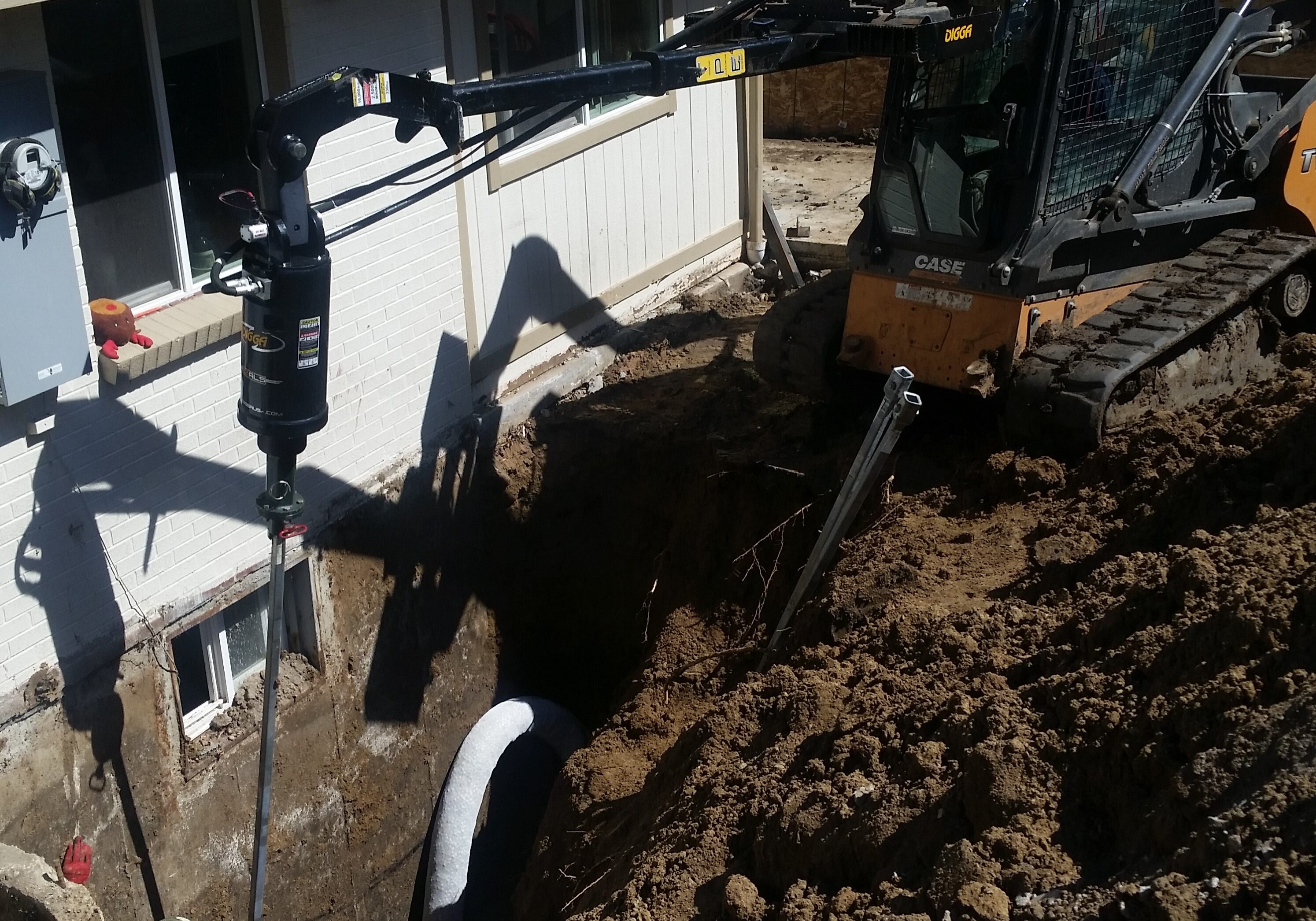
Screw piles, also known as helical piles, are essential components in modern construction, offering stability and support for a range of structures. Their installation, however, requires precision and expertise to ensure optimal performance and longevity. This article explores the steps and considerations necessary for achieving perfect screw pile installation. From site assessment to final adjustments, each stage of the process is crucial for ensuring the structural integrity and safety of the project at hand.
Understanding the Basics
Before embarking on the installation process, it is critical to understand the fundamental aspects of screw piles. These are deep foundation solutions that are driven into the ground using hydraulic systems. Their design consists of a central shaft with one or more helical plates, which allows them to anchor securely into the soil. The versatility and efficiency of screw piles make them ideal for various applications, particularly in areas with challenging terrains or sensitive environmental conditions.
Read more about this topic.
Preparation and Planning
Successful screw pile installation begins with thorough preparation and planning. Key considerations include:
- Conducting a comprehensive site assessment to evaluate soil conditions and identify potential obstacles.
- Determining the load requirements of the structure to ensure the appropriate size and type of screw pile is selected.
- Designing a detailed installation plan that accounts for any environmental or logistical challenges.
Proper planning minimizes the risks of delays and ensures that the installation process proceeds smoothly. Learn more in this detailed guide.
Installation Process
Positioning and Alignment
The correct positioning and alignment of screw piles are critical to their performance. A few important steps include:
- Marking the precise locations for installation based on the layout plan.
- Using GPS or laser-guided systems to ensure accurate alignment.
These measures help ensure that the piles are installed at the correct angles and depths, providing maximum support and stability. Explore further insights here.
Installation and Monitoring
During installation, continuous monitoring is essential to ensure that the piles are driven to the required depth and torque specifications. This involves:
- Employing specialized equipment to drive the piles into the ground.
- Utilizing torque monitoring systems to verify that the piles are adequately anchored.
- Regularly checking alignment and making necessary adjustments.
These steps are vital in maintaining the structural integrity of the installation. Find additional information here.
Final Adjustments and Quality Assurance
Once the installation is complete, conducting a thorough quality assurance check is imperative. This includes:
- Inspecting each pile for any signs of damage or misalignment.
- Ensuring that all piles meet the specified load-bearing requirements.
- Documenting the installation process and results for future reference.
These final adjustments and checks guarantee that the installation meets all necessary standards and regulations.
Conclusion
Achieving perfect screw pile installation requires meticulous planning, precise execution, and diligent monitoring. By adhering to these guidelines, construction professionals can ensure that their projects benefit from the stability and reliability that screw piles offer. For those seeking more detailed information on the intricacies of screw pile installation, numerous resources are available to provide further guidance and insights.
Leave a Reply