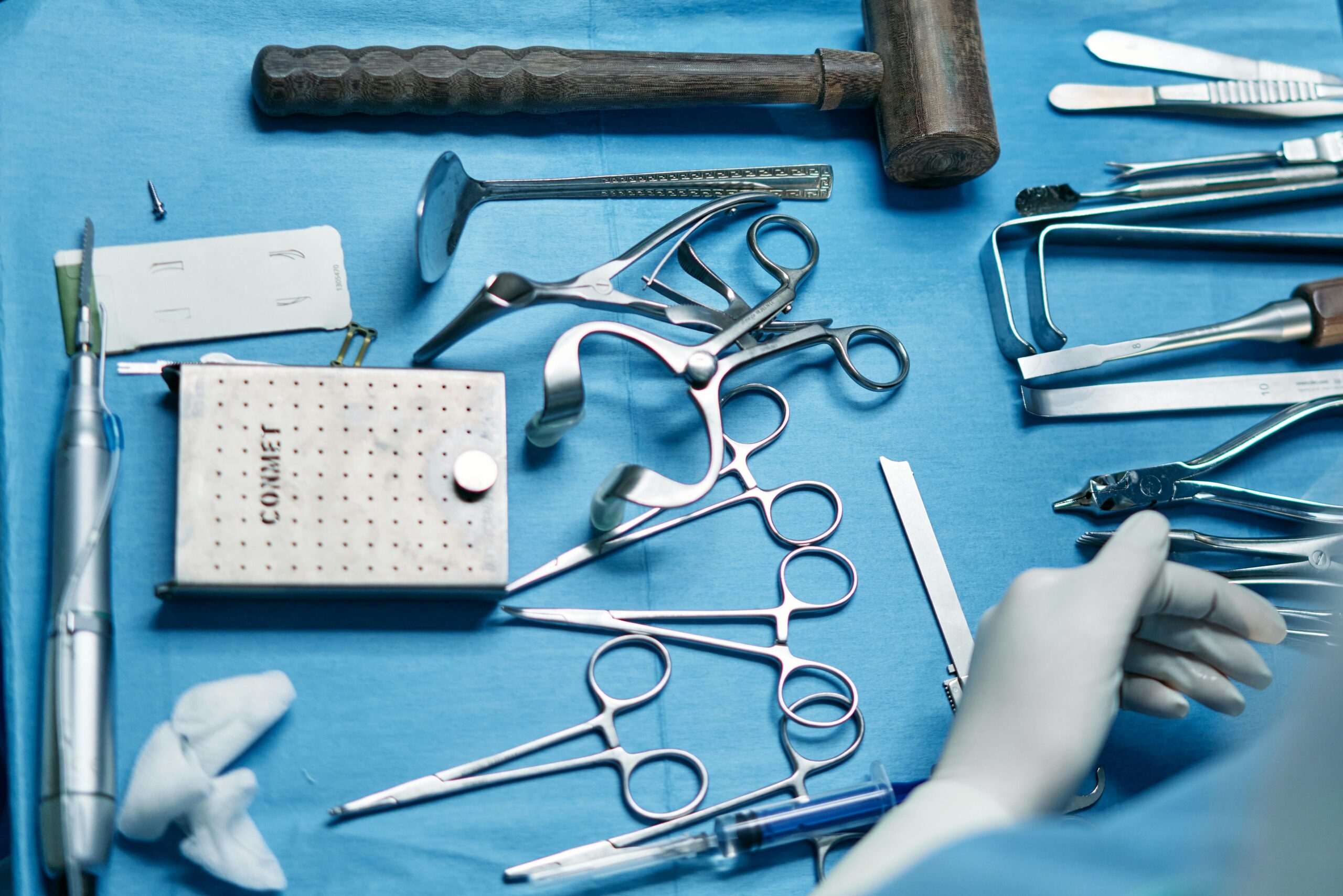
Medical clamps are indispensable tools in a wide array of surgical and medical procedures. These instruments facilitate the efficient and safe handling of tissues and vessels, providing surgeons with the control needed to perform precise operations. The variety of medical clamps instruments available today allows healthcare professionals to select the most appropriate tool for specific tasks, ensuring optimal patient outcomes. Understanding the differences and specific uses of these clamps is essential for anyone involved in the medical field.
Types of Medical Clamps Instruments
Medical clamps come in a myriad of designs, each tailored to perform specific functions. This section explores some of the most common types of clamps used in medical settings.
Hemostatic Clamps
- Purpose: Primarily used to control bleeding by clamping blood vessels.
- Common Variants: Kelly, Mosquito, and Crile clamps.
- Features: Typically have ratchet handles and come in straight or curved designs.
Atraumatic Clamps
- Usage: Designed to hold delicate tissues without causing damage.
- Examples: Bulldog and Satinsky clamps.
- Characteristics: Often feature soft, broad surfaces and are used in cardiovascular and gastrointestinal surgeries.
Vascular Clamps
- Application: Used during vascular surgeries to occlude blood vessels.
- Types: Fogarty and Cooley clamps are commonly used.
- Design: Generally long and slender with a gentle grip to avoid vessel damage.
Materials and Construction
The materials used in the construction of medical clamps are critical to their performance and durability. Typically, these instruments are made from high-grade stainless steel to withstand sterilization and repeated use. Some clamps may also incorporate non-metallic components to enhance their function or ergonomics.
- Stainless Steel: Offers excellent resistance to corrosion and maintains sharpness over time.
- Plastic Components: Lightweight and sometimes used in disposable clamps for single-use applications.
- Coated Surfaces: Some clamps feature special coatings to reduce friction or enhance grip on tissues.
Sterilization and Maintenance
Proper sterilization and maintenance of medical clamps are essential to ensure their longevity and effectiveness. Following manufacturer guidelines for cleaning and sterilizing these instruments is crucial.
- Autoclaving: The most common method for sterilizing medical clamps, ensuring they are free of pathogens.
- Regular Inspection: Clamps should be regularly checked for signs of wear, such as rust or loose joints.
- Lubrication: Hinged joints may require periodic lubrication to maintain smooth operation.
Innovation and Advancements
The field of medical clamps continues to evolve with advancements in technology and materials. Recent innovations have led to the development of more specialized instruments that cater to modern surgical techniques.
- Integration of smart technology for enhanced precision and control.
- Development of more ergonomic designs to reduce surgeon fatigue.
- Utilization of advanced materials for lighter yet stronger instruments.
For a comprehensive selection of modern medical clamps instruments, consider exploring specialized collections that cater to various surgical needs.
In conclusion, the variety of medical clamps available today reflects the diverse requirements of modern medicine. By understanding the functions, materials, and maintenance of these instruments, healthcare professionals can ensure they are using the most effective tools for their practice. As technology continues to advance, the future of medical clamps promises even greater precision and reliability in surgical care.
Leave a Reply