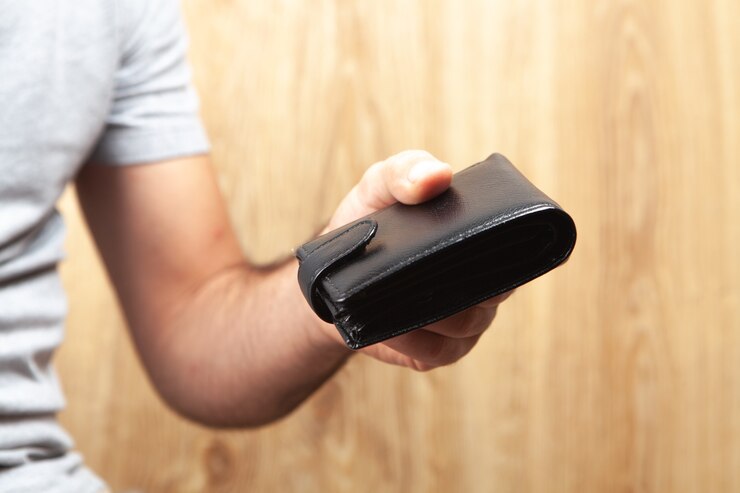
A leather wallet is more than just a practical accessory for carrying cash and cards—it’s an investment in style, functionality, and durability. The right leather wallet can last for years, aging beautifully while becoming more unique with time. However, with so many options available in terms of styles, sizes, and leather types, choosing the perfect wallet can be overwhelming. This definitive guide to choosing men’s leather wallets will help you navigate the options and find a wallet that suits both your needs and your personal style.
1. Understand the Types of Leather
The first step in choosing a high-quality leather wallet is understanding the different types of leather used in its construction. Leather quality plays a significant role in the durability, texture, and look of your wallet. Here are the most common types of leather you’ll come across:
- Full-Grain Leather: This is the highest-quality leather available. Full-grain leather is made from the top layer of the hide and retains its natural texture, including imperfections such as scars or wrinkles. Over time, full-grain leather develops a rich patina, which adds to its character and appeal.
- Top-Grain Leather: Slightly less durable than full-grain leather, top-grain leather is sanded and treated to remove imperfections. It’s more affordable and still provides a high-quality finish, often used in premium wallets.
- Genuine Leather: This is a lower-quality leather, often made from the leftover layers of hide after the higher-quality grains have been processed. While genuine leather is still durable, it’s not as long-lasting or luxurious as full-grain or top-grain leather.
- Bonded Leather: Made from leftover scraps and fibers bonded together with adhesives, bonded leather is the least durable and can wear out quickly. It’s best to avoid this option if you’re looking for a long-lasting wallet.
2. Choose the Right Wallet Style
Men’s leather wallets come in a variety of styles, and choosing the right one depends largely on your personal preferences and lifestyle. Here are the most popular wallet styles:
- Bifold Wallet: The classic bifold is the most popular wallet style. It’s simple and practical, with a folding design that allows for easy access to cash and cards. The bifold wallet typically features multiple card slots and a space for bills, making it ideal for everyday use.
- Trifold Wallet: A trifold wallet is similar to a bifold but with an additional fold, providing more compartments for cards and cash. While it offers more storage space, it can be bulkier and may not fit as comfortably in your pocket. Trifold wallets are a good option for those who need to carry extra cards or receipts.
- Slim Wallet: For those who prefer a minimalist design, a slim wallet is a great choice. These wallets are compact, offering just enough room for a few cards and cash. They’re perfect for those who want to reduce bulk in their pockets while maintaining functionality.
- Money Clip Wallet: A money clip wallet is a hybrid of a traditional wallet and a money clip, designed for those who carry only a small amount of cash and a few cards. It’s a stylish, slim option that’s perfect for minimalists.
- Cardholder Wallet: A cardholder wallet is the most minimalistic option, designed to carry just cards. It’s an ideal choice if you prefer to carry cards without much cash, or if you want a super slim and lightweight wallet.
3. Consider the Wallet’s Features
While the style and material are essential, the functionality of the wallet is just as important. Here are some features to look for when choosing a leather wallet:
- Card Slots: The number of card slots you need will depend on how many cards you typically carry. Most wallets have 4-8 card slots, but if you carry a lot of cards, look for a wallet with additional slots or expandable pockets.
- Cash Compartment: Consider how much cash you carry regularly. Some wallets feature a single, large bill compartment, while others may have multiple sections for organizing bills. If you don’t carry cash often, a slimmer wallet without a large cash pocket might suit your needs better.
- Coin Pocket: Some leather wallets include a coin pocket, though it’s more common in larger wallets or coin purses. If you regularly carry loose change, consider a wallet with a coin compartment.
- RFID Protection: If security is a concern, look for a wallet with RFID-blocking technology. RFID-blocking wallets prevent unauthorized scanners from accessing your cards and personal information, offering an extra layer of security against identity theft.
4. Pay Attention to Stitching and Finishing
The stitching and finishing of a wallet are important indicators of quality. Strong, even stitching ensures the wallet will last and hold up over time. Look for wallets with reinforced stitching, particularly around the edges and card slots, where wear and tear are most likely to occur.
Additionally, check the wallet’s finishing. High-quality leather wallets should have smooth edges and clean, consistent stitching. Pay attention to the small details, as they often distinguish a high-end wallet from a cheaply made one.
5. Consider the Price
Leather wallets vary greatly in price, depending on the quality of the leather, craftsmanship, and brand. While it’s tempting to go for a cheaper option, investing in a higher-quality wallet made from full-grain or top-grain leather will ensure longevity and a better overall experience. A good leather wallet should last for years, so spending a little more upfront can be worth it in the long run.
Conclusion
Choosing the right men’s leather wallet is all about finding the right balance of style, durability, and functionality. Whether you prefer a classic bifold, a minimalist slim wallet, or something with additional features like RFID protection, it’s important to choose a wallet that suits your needs and fits your lifestyle. By understanding the different types of leather, considering wallet styles and features, and paying attention to quality details, you can find the perfect leather wallet that will stand the test of time.