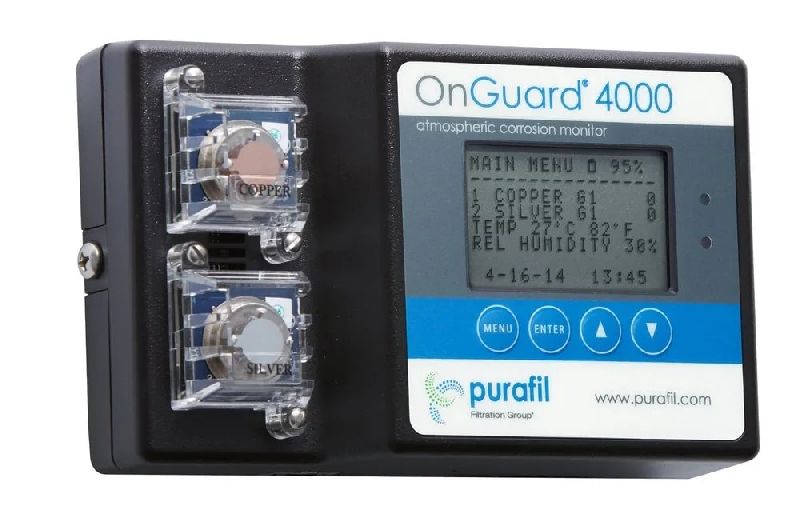
In industrial settings, corrosion is a pervasive problem that can significantly impact the integrity and longevity of equipment and infrastructure. The financial repercussions of corrosion are substantial, encompassing both direct costs, such as maintenance and repairs, and indirect costs, such as downtime and reduced efficiency. Implementing corrosion monitoring systems is a strategic approach to mitigating these expenses. By enabling early detection and proactive management, these systems are essential tools for maintaining operational efficiency and safeguarding valuable assets.
Understanding Corrosion Monitoring Systems
Corrosion monitoring systems are designed to detect, measure, and track the progression of corrosion within industrial equipment and structures. These systems employ advanced technologies to provide real-time data and insights, allowing for timely interventions and adjustments. The core functionalities include:
- Real-time monitoring and reporting of corrosion rates.
- Identification of corrosion-prone areas and environments.
- Assessment of the effectiveness of corrosion prevention measures.
The Cost-Saving Benefits of Corrosion Monitoring
Minimizing Maintenance Expenses
By detecting corrosion early, organizations can significantly reduce maintenance costs. Timely interventions prevent minor issues from escalating into major problems, reducing the frequency and extent of repairs. Discover expert strategies here for integrating these systems into maintenance protocols.
Reducing Downtime
Equipment downtime can be costly, affecting productivity and profitability. Corrosion monitoring systems help minimize unscheduled outages by ensuring that maintenance can be planned and executed efficiently. This proactive approach aids in maintaining consistent production schedules and operational continuity.
Preserving Asset Value
Corrosion can severely diminish the value and lifespan of industrial assets. By actively monitoring and managing corrosion, businesses can preserve the long-term value of their investments. This approach not only extends the useful life of equipment but also enhances resale and residual value. Learn about our tailored solutions to maximize asset preservation.
Strategic Implementation of Corrosion Monitoring Systems
Implementing an effective corrosion monitoring strategy involves a comprehensive understanding of environmental conditions, material vulnerabilities, and operational demands. Here are key considerations:
- Conducting thorough environmental assessments to identify high-risk areas.
- Selecting appropriate monitoring technologies tailored to specific needs.
- Integrating monitoring data with maintenance management systems.
Explore advanced guides and tips for developing a strategic implementation plan that aligns with operational objectives.
Conclusion
Corrosion monitoring systems are pivotal in enhancing operational efficiency and cost-effectiveness. By providing vital data for informed decision-making, these systems enable businesses to preemptively address corrosion issues, thereby safeguarding both equipment and financial health. As industries continue to evolve, the integration of sophisticated monitoring technologies becomes increasingly essential. Find out more about this approach to ensure your assets and operations are well-protected against the pervasive threat of corrosion.
Leave a Reply