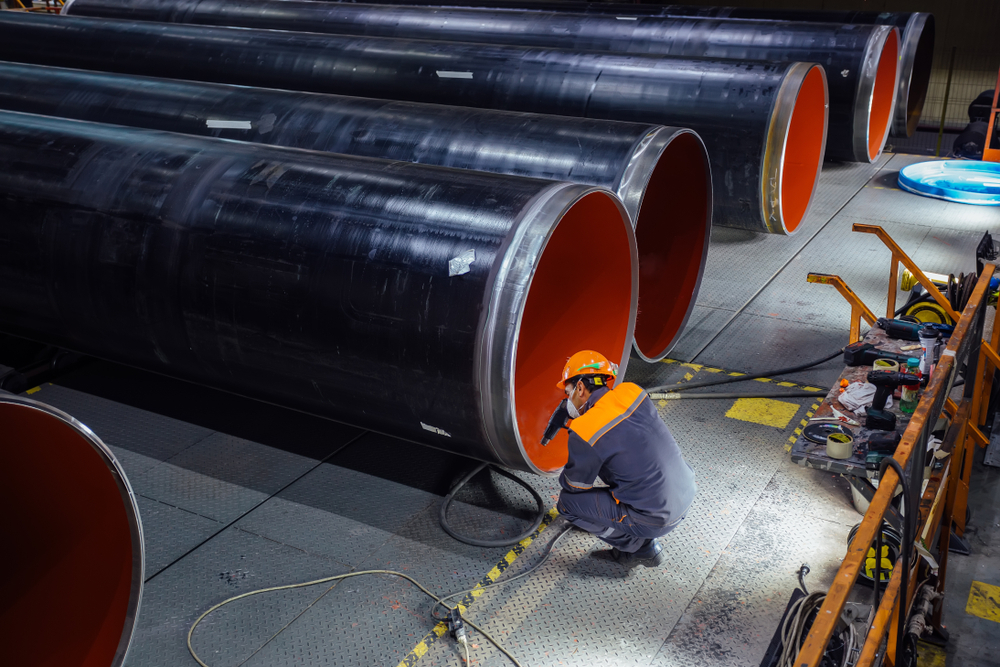
Pipeline infrastructure is a critical component in various industries, including oil and gas, water supply, and chemical transportation. Ensuring the longevity and integrity of these pipelines is paramount to maintaining operational efficiency and safety. One of the most effective methods to enhance pipeline durability is through the application of pipe coating solutions. These coatings serve as a protective barrier against corrosion, abrasion, and other environmental factors that can compromise the structural integrity of pipelines. This article delves into the importance of pipe coating, the types of coatings available, and how effective pipe coating solutions can significantly extend the lifespan of pipelines.
The Importance of Pipe Coating
Pipe coatings are essential in preventing corrosion, which is one of the leading causes of pipeline degradation. Corrosion can lead to leaks, environmental contamination, and costly repairs. Effective pipe coating solutions provide several key benefits:
- Corrosion Resistance: Coatings act as a barrier between the metal surface and corrosive elements.
- Abrasion Protection: They protect against physical wear and tear, which is especially important in high-traffic areas.
- Temperature Tolerance: Coatings can withstand extreme temperatures, preventing damage from thermal expansion and contraction.
- Cost Efficiency: By extending the life of the pipeline, coatings reduce the need for frequent repairs and replacements.
To understand more about how these benefits translate into real-world applications, read more about this topic.
Types of Pipe Coating Solutions
External Pipe Coatings
External coatings are applied to the outside surface of the pipeline to protect against environmental factors. These include:
- FBE (Fusion Bonded Epoxy): Highly resistant to corrosion and abrasion, ideal for high-pressure and high-temperature applications.
- Polyethylene Coatings: Used for their excellent moisture resistance and durability.
- Bituminous Coatings: Often employed for their cost-effectiveness and protective qualities in less demanding environments.
For more detailed insights into external pipe coatings, explore further insights here.
Internal Pipe Coatings
Internal coatings are crucial for protecting the inside of pipelines, especially in industries where the transported substances may be corrosive or abrasive. Options include:
- Cement Mortar Lining: Commonly used in water pipelines to prevent corrosion and improve flow efficiency.
- Epoxy Coatings: Provide a smooth surface that enhances flow and reduces friction.
- Polyurethane Coatings: Highly resistant to chemical corrosion, making them suitable for pipelines carrying aggressive fluids.
To learn more about internal pipe coatings, find additional information here.
Implementing Effective Pipe Coating Solutions
Choosing the right pipe coating solution depends on several factors, including the type of pipeline, environmental conditions, and the materials being transported. To implement an effective coating strategy, consider the following:
- Assessment of Environmental Conditions: Evaluate the external and internal conditions the pipeline will face.
- Material Compatibility: Ensure the coating material is compatible with the pipeline material and the transported substances.
- Application Method: Select the appropriate application technique, such as spray, brush, or roller, to ensure even coverage.
- Regular Maintenance: Schedule routine inspections and maintenance to detect and address any coating failures early.
For a comprehensive guide on implementing these solutions, learn more in this detailed guide.
Conclusion
Effective pipe coating solutions are vital for enhancing the longevity and reliability of pipelines in various industries. By understanding the types of coatings available and implementing a strategic coating plan, industries can protect their infrastructure from corrosion, abrasion, and other damaging factors. This proactive approach not only extends pipeline lifespan but also ensures operational efficiency and safety. For more information on maintaining pipeline integrity, read more about this topic.
Leave a Reply