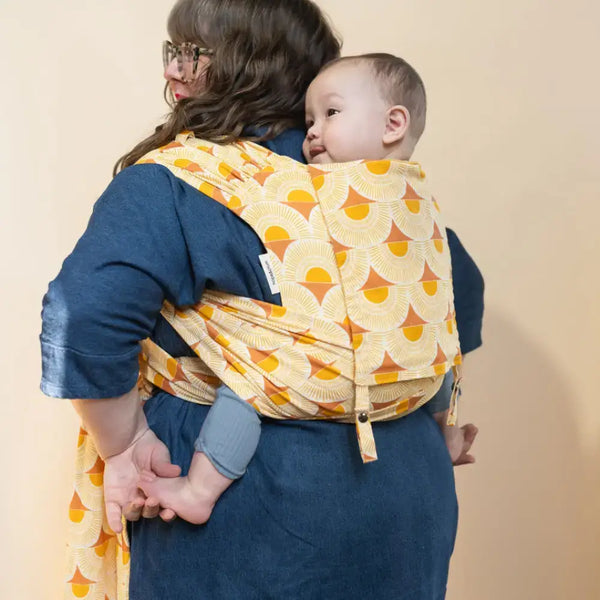
As your child grows from an infant to a toddler, the need for a reliable and comfortable toddler carrier becomes essential. Toddlers are naturally curious, eager to explore their surroundings, but they still tire quickly and may need to be carried during outings. A good toddler carrier ensures that parents can keep their child close while maintaining the flexibility to move around comfortably. This guide explores the key factors to consider when choosing a toddler carrier and highlights the benefits that make these carriers indispensable for parents.
Why a Toddler Carrier is Essential
Toddlers often weigh between 20 to 45 pounds, which can become physically challenging for parents to carry for extended periods. A toddler carrier helps distribute this weight evenly, reducing strain on the back and shoulders. Whether going for a walk, running errands, or traveling, a well-designed carrier provides a secure and comfortable way to carry a toddler without sacrificing mobility.
Types of Toddler Carriers
There are several types of carriers available, each catering to different needs and preferences. Understanding the differences can help in making an informed decision.
1. Soft-Structured Carriers (SSCs) Soft-structured carriers are among the most popular choices for toddlers. They feature padded shoulder straps and a waist belt, which help distribute the child’s weight evenly. These carriers often offer multiple carrying positions, including front, back, and hip carries, allowing versatility as the child grows.
2. Wrap Carriers Wrap carriers consist of a long piece of fabric that is wrapped around the parent’s body to create a snug and supportive seat for the toddler. They offer a close, secure fit and are often preferred for their customizable support. However, they may require some practice to master the wrapping technique.
3. Mei Tai Carriers Mei Tai carriers combine elements of both wraps and structured carriers. They feature a rectangular body panel with four straps that tie around the waist and shoulders. These carriers offer flexibility and support while providing a customizable fit for different body types.
4. Backpack Carriers Backpack carriers are designed for outdoor activities and hiking. They are typically more structured, with a frame that offers additional support and comfort for carrying heavier toddlers over longer distances. While they are ideal for outdoor adventures, they may be bulkier and less convenient for everyday use.
Key Features to Look for in a Toddler Carrier
When selecting a toddler carrier, it is important to consider certain features that can enhance comfort and safety for both the parent and the child.
1. Ergonomic Design An ergonomic carrier ensures that the toddler sits in a natural “M” position, with their knees higher than their bottom. This position promotes healthy hip development and prevents discomfort during prolonged use.
2. Adjustable Straps and Waistband Look for carriers with adjustable shoulder straps and a waistband that can be customized to fit different body sizes. Proper adjustment not only ensures comfort but also helps distribute the child’s weight evenly.
3. Weight Capacity Check the weight limit of the carrier to ensure it can accommodate your growing toddler. Most carriers designed for toddlers can hold up to 45 pounds, but it’s best to verify before making a purchase.
4. Breathable Fabric Since toddlers generate a lot of heat, choosing a carrier made from breathable, lightweight fabric helps prevent overheating. Cotton and linen blends are often preferred for their comfort and durability.
5. Safety Features Ensure the carrier has secure buckles, reinforced stitching, and a sturdy waist belt to prevent any accidents or mishaps.
Benefits of Using a Toddler Carrier
A toddler carrier offers numerous benefits that go beyond convenience. Here are some of the key advantages:
1. Promotes Bonding Keeping a toddler close enhances the emotional connection between parent and child. The physical closeness fosters a sense of security and comfort for the child, which is especially helpful during new or unfamiliar situations.
2. Hands-Free Convenience A toddler carrier allows parents to move freely while keeping their child secure. Whether grocery shopping, navigating crowded places, or managing household chores, a carrier offers the flexibility to multitask effectively.
3. Reduces Fatigue for Parents Carrying a toddler in your arms for long periods can quickly lead to fatigue and discomfort. A well-designed carrier distributes the child’s weight evenly, reducing the strain on the back and shoulders.
4. Provides Security in Crowded Places In busy environments like airports, malls, or festivals, a toddler carrier keeps the child safely close to the parent, minimizing the risk of getting lost or separated.
5. Supports Toddler Development A toddler carrier allows children to observe their surroundings from a safe vantage point, stimulating their curiosity and encouraging cognitive development. It also promotes physical development by allowing them to adjust their posture and balance while being carried.
Tips for Using a Toddler Carrier Safely
To maximize the benefits and ensure safety, it is important to follow these guidelines:
-
Ensure Proper Positioning: Always check that the toddler is seated in an ergonomic position with their knees higher than their bottom.
-
Adjust the Carrier Correctly: Make sure the carrier fits snugly but comfortably, with the straps and waistband properly adjusted to distribute weight evenly.
-
Regularly Check for Wear and Tear: Inspect the carrier for any signs of damage or weakness, such as frayed straps or loose buckles.
-
Limit Carrying Time: While carriers offer comfort, it’s a good idea to give toddlers breaks to stretch and move freely.
Conclusion
Choosing the right toddler carrier involves considering factors such as comfort, safety, and versatility. By selecting a carrier that meets your needs and preferences, you can ensure that both you and your child enjoy a secure and enjoyable carrying experience. Whether you’re navigating daily activities or embarking on adventures, a reliable toddler carrier makes it easier to keep your child close while maintaining the flexibility and freedom to move.