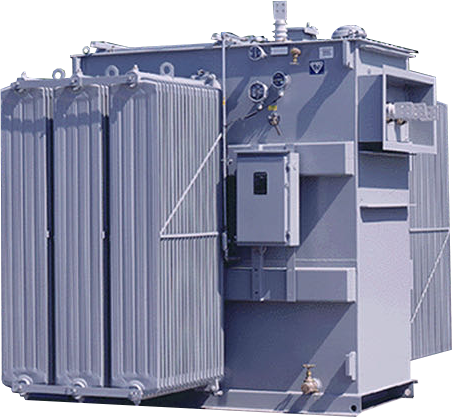
The dynamic world of power distribution relies heavily on the efficient management of energy systems, with electrical substation transformers playing a pivotal role. These transformers are essential for stepping voltage levels up or down, ensuring that electricity is transmitted and distributed effectively from generation points to end-users. Their functionality not only enhances the efficiency of power systems but also contributes to the reliability and safety of electric power distribution.
The Role of Electrical Substation Transformers
Electrical substation transformers serve as critical components in the power grid. They are primarily responsible for adjusting voltage levels, which is crucial for minimizing energy loss over long distances. By stepping up the voltage for transmission and subsequently stepping it down for distribution, these transformers ensure that electricity reaches consumers efficiently and safely.
- Voltage Regulation: Adjusts voltage levels to meet the requirements of different stages in the power grid.
- Energy Efficiency: Reduces energy loss during transmission, which is vital for cost-effective power distribution.
- Reliability: Enhances the stability of power supply, reducing the risk of outages.
- Safety: Helps in maintaining safe voltage levels for end-users and equipment.
For more detailed information on electrical substation transformer specifications, it is crucial to consult resources that provide in-depth technical data and insights.
Types of Substation Transformers
Understanding the different types of substation transformers is key to selecting the appropriate system for specific applications. Each type offers distinct advantages, tailored to particular needs within a power distribution network.
Power Transformers
Power transformers are designed to handle high voltage and high power levels, making them ideal for transmission networks. These transformers are essential for:
- Long-distance electricity transmission.
- Reducing energy losses significantly.
- High-efficiency performance under load.
Distribution Transformers
Distribution transformers operate at lower voltage levels and are primarily used to supply power directly to homes and businesses. They are known for:
- Providing the final voltage transformation in the power distribution system.
- Efficiently supplying electricity to end-users.
- Being compact and suitable for urban and rural settings.
Innovations in Transformer Technology
Advancements in transformer technology continue to emerge, driven by the need for increased efficiency, sustainability, and grid reliability. Several innovations have significantly enhanced the performance and functionality of substation transformers:
- Smart Transformers: Equipped with monitoring systems and advanced diagnostics to predict failures and optimize performance.
- Eco-Friendly Designs: Use of environmentally friendly materials and fluids to reduce the ecological impact.
- Advanced Cooling Systems: Improved cooling mechanisms to enhance performance and extend lifespan.
These technological advancements ensure that power systems remain robust and adaptable to future energy demands, supporting a transition to more sustainable energy solutions.
Conclusion
Electrical substation transformers remain indispensable in the realm of power distribution, contributing to the efficiency and reliability of the electrical grid. By understanding their functionality and the advancements in technology, stakeholders can better equip themselves to meet the evolving demands of modern power systems. For further reading, exploring detailed resources on electrical substation transformer technology can provide valuable insights into the future of energy distribution.
Leave a Reply