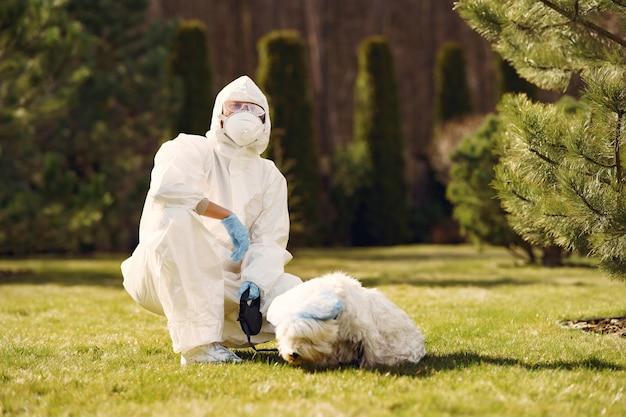
Wildlife prevention is a crucial aspect of maintaining the delicate balance between human habitats and the natural environment. In Jackson, where urban areas intertwine with rich wildlife, understanding effective prevention strategies is vital for both safety and ecological preservation. This guide aims to provide comprehensive insights into the best practices and strategies for wildlife prevention in Jackson, ensuring a harmonious coexistence with nature.
Understanding Wildlife Prevention
Wildlife prevention involves strategies and practices designed to deter animals from entering human-occupied spaces. These methods not only protect humans from potential hazards but also safeguard animals from harmful interactions. By implementing effective wildlife prevention measures, communities can promote a sustainable and safe environment for all.
Common Wildlife Challenges in Jackson
Jackson residents often encounter a variety of wildlife that can pose challenges, such as:
- Raccoons and squirrels seeking food or shelter in attics and basements.
- Deer causing damage to gardens and landscaping.
- Birds nesting in chimneys and vents, leading to potential fire hazards.
- Rodents entering homes and businesses, causing structural damage and health risks.
Addressing these challenges requires a strategic approach to wildlife prevention.
Effective Wildlife Prevention Strategies
Implementing effective wildlife prevention strategies can significantly reduce conflicts and ensure that both humans and wildlife thrive. Here are some proven methods:
Physical Barriers
Physical barriers are one of the most reliable methods to prevent wildlife intrusion. These include:
- Fencing: Installing sturdy and appropriately designed fences can deter larger animals such as deer from entering properties.
- Chimney Caps and Vent Covers: These prevent birds and small mammals from accessing interior spaces.
- Sealing Entry Points: Ensuring that all potential entry points, such as cracks and holes, are sealed can prevent rodents and other small creatures from entering buildings.
For more detailed guidance on implementing these barriers, discover expert strategies here.
Habitat Modification
Altering the surrounding environment to make it less attractive to wildlife can be an effective prevention strategy:
- Remove food sources: Secure trash bins and remove bird feeders that might attract unwanted wildlife.
- Maintain Landscaping: Trim trees and shrubs to reduce hiding and nesting spaces for animals such as raccoons and squirrels.
- Eliminate Water Sources: Fix leaky hoses and remove standing water to deter wildlife drawn to water.
To explore advanced guides and tips on habitat modification, explore advanced guides and tips.
Behavioral Deterrents
Using behavioral deterrents can help keep wildlife at bay without causing them harm:
- Motion-activated lights and sprinklers: These can startle animals, discouraging them from entering the area.
- Sonic deterrents: Devices that emit high-frequency sounds can deter certain wildlife from approaching.
For more about this approach, find out more about this approach.
Professional Wildlife Prevention Services
For those encountering persistent wildlife issues, professional wildlife prevention services offer tailored solutions. These services can provide:
- Comprehensive assessments of properties to identify vulnerabilities.
- Implementation of customized exclusion techniques.
- Regular monitoring and maintenance to ensure continued deterrence.
To learn about tailored solutions, learn about our tailored solutions.
Conclusion
In Jackson, effective wildlife prevention is essential for fostering a safe and sustainable environment. By understanding common challenges and implementing strategic prevention methods, residents can enjoy a harmonious coexistence with nature. Whether through physical barriers, habitat modification, or professional services, taking proactive measures is key to successful wildlife management.
Leave a Reply