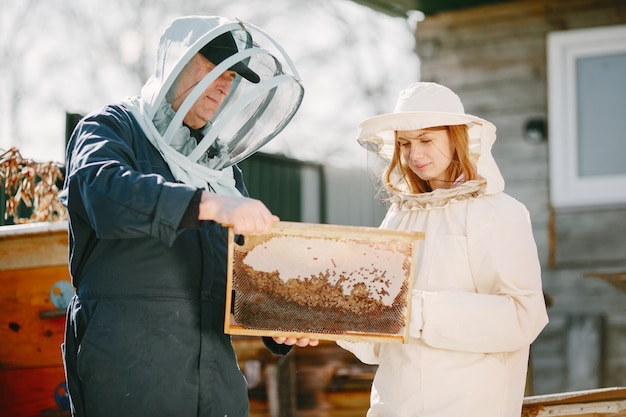
Encountering a bee infestation in your home or garden can be a daunting experience. Bees play a crucial role in our ecosystem, contributing significantly to the pollination of plants. However, when they nest too close to human habitation, it can pose safety risks. For residents in Jacksonville, understanding how to safely handle a bee removal task is essential. This article outlines effective and safe methods for DIY bee removal, ensuring minimal harm to both the bees and residents.
Understanding the Types of Bees
Before embarking on a bee removal project, it’s essential to understand the type of bees you are dealing with. Different species require distinct approaches:
- Honeybees: Often found in tree hollows or wall cavities. They are generally non-aggressive unless provoked.
- Carpenter Bees: These bees bore into wood to create nests and are typically solitary.
- Bumblebees: Known for their large size and loud buzz, they usually nest in the ground or in abandoned rodent holes.
Identify the species you are dealing with to tailor your approach effectively. Discover expert strategies here.
Preparation and Safety Measures
Safety should always be the priority when dealing with bees. Here are some preparatory steps to ensure a safe removal process:
- Wear Protective Clothing: Use long-sleeved shirts, pants, gloves, and a beekeeper?s veil to minimize the risk of stings.
- Time Your Removal: Bees are less active during early morning or late evening. Plan your removal during these times to avoid aggravating the bees.
- Avoid Strong Scents: Refrain from wearing perfumes or using scented lotions as these can attract bees.
These precautions help create a safer environment for both the remover and the bees. Learn about our tailored solutions.
Step-by-Step DIY Bee Removal
1. Assess the Situation
Determine the size and location of the nest. Larger nests or those in difficult-to-reach places may require professional intervention.
2. Use Natural Deterrents
Consider natural repellents such as:
- Essential Oils: Peppermint oil and citronella oil are effective repellents.
- Smoke: Gently smoking the nest can encourage bees to relocate without harm.
These methods are environmentally friendly and non-lethal. Explore advanced guides and tips.
3. Relocate the Nest
If the nest is small and accessible, carefully relocating it might be an option:
- Gently place the nest into a ventilated container.
- Move it to a safe distance from human activity, ideally near flowering plants.
Ensure the new location is suitable for the bees to thrive. Find out more about this approach.
4. Seal Entry Points
After the bees have been removed, seal any entry points to prevent future infestations:
- Use caulk to seal cracks and crevices in walls and around windows.
- Repair any damaged wood to deter carpenter bees.
When to Seek Professional Help
While many bee removal tasks can be handled independently, there are instances where professional intervention is necessary:
- Large Colonies: Extensive hives may require specialized equipment and expertise.
- Aggressive Bees: Some bees, especially if provoked, can become aggressive and pose a danger.
- Hard-to-Reach Nests: Nests in attics or wall voids should be handled by professionals to avoid structural damage.
Professional services ensure a safe and effective resolution to bee problems, maintaining the balance between safety and ecological responsibility. Explore advanced guides and tips.
In conclusion, while DIY bee removal in Jacksonville can be a feasible option for small, manageable infestations, recognizing the limitations and knowing when to call in professionals is crucial. Always prioritize safety and the well-being of these essential pollinators.
Leave a Reply