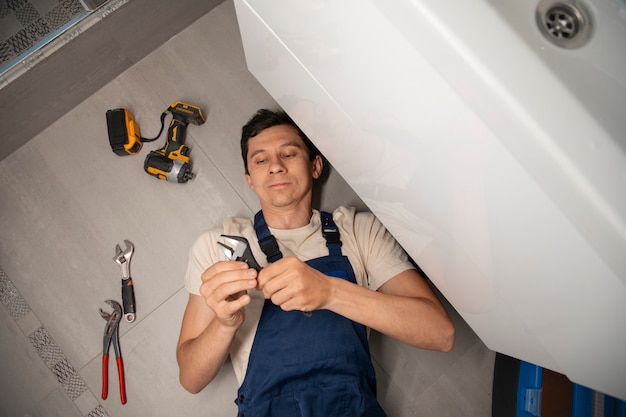
Transforming a traditional bathtub into a modern shower space is a popular home improvement project that not only enhances the aesthetic appeal of a bathroom but also adds significant value to a home. This conversion is ideal for homeowners looking to update their bathroom or for those who require a more accessible bathing option. The process involves several critical steps and considerations to ensure a smooth and successful transition. This guide provides detailed insights into converting a bathtub to a shower, offering valuable tips and information for those considering this upgrade.
Initial Considerations for Bathtub to Shower Conversion
Before embarking on a bathtub to shower conversion, several key considerations need careful thought:
- Space Assessment: Evaluate the available space and layout of the bathroom to determine the feasibility of a shower conversion. Assessing the space ensures that the new shower will fit and function properly.
- Design and Aesthetics: Consider the overall design and aesthetics you wish to achieve. This could include the choice of materials, color schemes, and fixtures that complement the existing bathroom decor.
- Plumbing and Drainage: Verify the existing plumbing setup and determine if modifications are required to accommodate a new shower system.
- Accessibility Needs: If accessibility is a concern, explore features like grab bars, non-slip flooring, and low-threshold entries. Find out more about this approach.
Steps in Bathtub to Shower Conversion
1. Planning and Design
Successful bathtub to shower conversion starts with meticulous planning and design. Determine the style of the shower you want, whether it?s a walk-in shower, a barrier-free model, or a shower-tub combination.
- Layout Planning: Decide on the layout that best utilizes the space while ensuring ease of access and use.
- Material Selection: Select durable and water-resistant materials such as tiles, glass, and acrylic panels. Explore advanced guides and tips.
2. Demolition and Removal
Once the design is finalized, the next step is to carefully remove the existing bathtub and associated components. This phase involves:
- Safe Removal: Ensure the removal process is conducted safely to avoid damage to the plumbing or surrounding areas.
- Disposal: Properly dispose of the old bathtub and materials in accordance with local regulations.
3. Installation
With the old bathtub removed, the installation of the new shower begins. This involves:
- Plumbing Adjustments: Adjust plumbing as needed to accommodate the shower fittings and drainage.
- Shower Base Installation: Install the shower base, ensuring it is level and securely fitted.
- Wall and Door Installation: Install shower walls and doors according to the design. Glass doors are a popular choice for a sleek, modern look. Discover expert strategies here.
Final Touches and Considerations
Once the main installation is complete, focus on the finishing touches to ensure the new shower is both functional and aesthetically pleasing:
- Sealing and Waterproofing: Proper sealing around seams and edges prevents water leakage and damage.
- Fixtures and Accessories: Install fixtures such as showerheads, shelving, and grab bars to enhance functionality.
- Lighting and Ventilation: Adequate lighting and ventilation are crucial for maintaining a clean and inviting shower space. Learn about our tailored solutions.
Conclusion
Converting a bathtub to a shower is a worthwhile investment that meets modern needs and enhances the overall appeal of a home. With careful planning, design, and execution, this transformation can offer both practical benefits and aesthetic improvements. For those looking to undertake this project, explore advanced guides and tips to ensure a successful conversion.
Leave a Reply