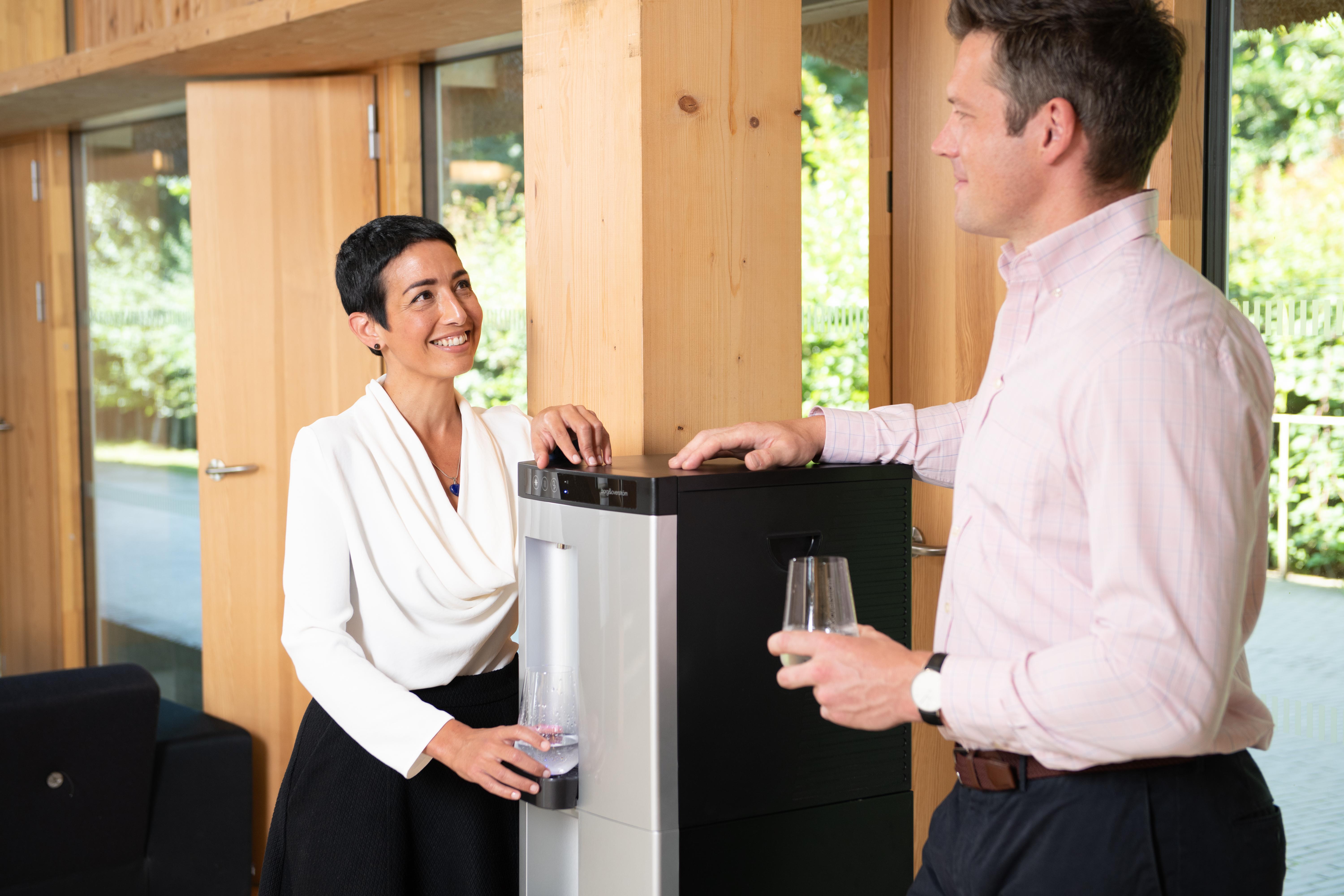
When considering the purchase of a water dispenser, it’s essential to evaluate various factors that will influence your decision. Water dispensers are no longer just about providing drinking water; they also offer a range of functionalities and features. Whether for home or office use, understanding what constitutes a reliable and efficient water dispenser can significantly enhance your experience. To ensure you make an informed decision, here are the top 10 factors to take into account before you buy a water dispenser.
1. Type of Water Dispenser
There are several types of water dispensers available, including:
- Bottleless Water Dispensers: These connect directly to your water line, providing a continuous supply of water without the need for bottles.
- Bottled Water Dispensers: These use large water bottles, typically 5-gallon, which are placed on top or bottom of the unit.
- Countertop Water Dispensers: Compact and ideal for smaller spaces, these dispensers are placed on countertops and often use water bottles.
Choosing the right type depends on your space, budget, and water consumption needs. Discover expert strategies here to determine which type suits your requirements best.
2. Filtration System
The filtration system is crucial for ensuring clean and safe drinking water. Look for dispensers with multi-stage filtration systems, which can effectively remove impurities, chlorine, and other contaminants. Learn about our tailored solutions for advanced water filtration options.
3. Temperature Control
Modern water dispensers offer various temperature settings:
- Cold Water: Perfect for refreshing drinks.
- Hot Water: Ideal for making tea, coffee, or instant meals.
- Room Temperature: Suited for those who prefer non-chilled water.
Ensure the dispenser you choose aligns with your temperature preferences. Explore advanced guides and tips on optimizing water temperature settings.
4. Capacity and Size
Consider the capacity of the dispenser, especially if it is for office use with high water consumption. Additionally, assess the size to ensure it fits your available space. Compact designs can be more suitable for smaller areas.
5. Energy Efficiency
With growing environmental concerns, opting for an energy-efficient water dispenser can reduce your carbon footprint and lower electricity bills. Look for units with energy-saving modes or Energy Star ratings.
6. Maintenance and Cleaning
Routine maintenance is essential for the longevity of a water dispenser. Consider models that are easy to clean and maintain, with removable drip trays and accessible components. Find out more about this approach to ensuring your dispenser remains in optimal condition.
7. Safety Features
If you have young children, prioritize dispensers with safety features such as child lock functions on hot water taps to prevent accidental burns.
8. Noise Level
The noise level of a water dispenser can be a concern, particularly in quiet environments like offices or homes. Look for models specifically designed to operate quietly.
9. Budget
Water dispensers are available at various price points. Determine your budget beforehand and balance cost with the features and specifications that meet your needs. Remember that higher upfront costs can sometimes lead to long-term savings through energy efficiency and durability.
10. Brand and Customer Reviews
Research brands known for their quality and reliability. Customer reviews can provide insights into the performance and longevity of the dispenser. Trustworthy feedback can guide you toward making a well-informed choice.
In conclusion, purchasing a water dispenser involves careful consideration of multiple factors. By evaluating the type, filtration system, temperature control, and other elements outlined above, you can select a dispenser that aligns with your needs and preferences. For more detailed advice, explore advanced guides and tips to make a sound investment in a water dispenser.
Leave a Reply