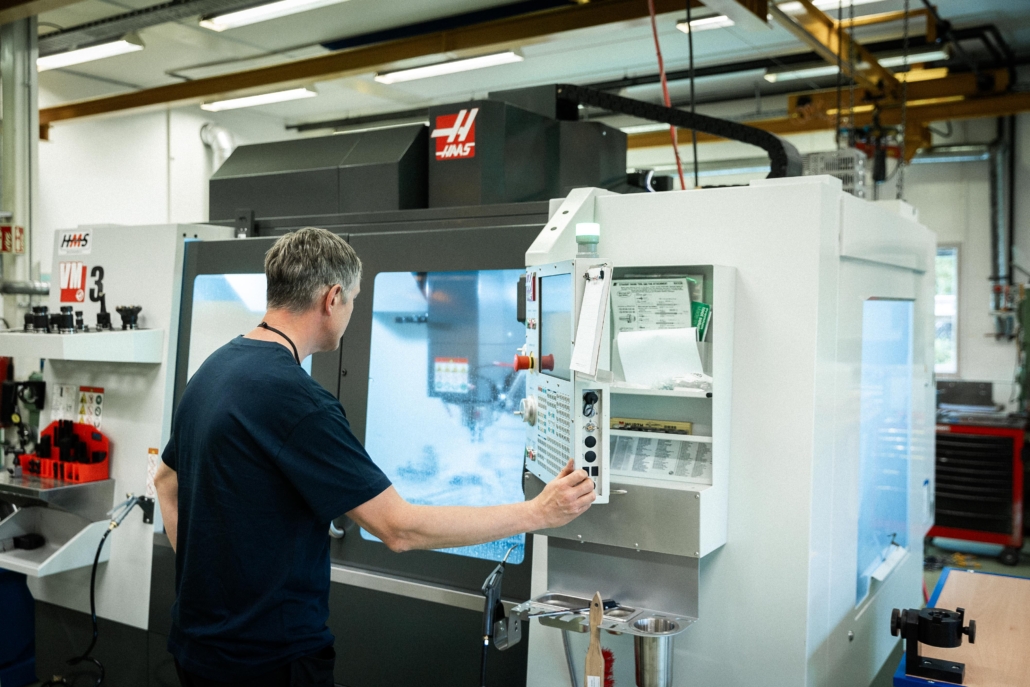
In the realm of mold tool manufacturing, efficiency is a paramount concern. The demand for precision, speed, and cost-effectiveness pushes manufacturers to adopt innovative technologies. One such technology that has significantly advanced the industry is CNC machining. By utilizing computer-controlled machinery, CNC machining enhances the production of mold tools, ensuring high precision and repeatability. This article delves into how CNC machining improves efficiency in mold tool manufacturing and why it has become a cornerstone in modern industrial practices.
Precision and Accuracy
CNC machining is renowned for its ability to produce components with exceptional precision. This level of accuracy is crucial in cnc machining for mold tools where even the slightest deviation can lead to functional defects in the final product. CNC machines are capable of:
- Consistently producing parts within tight tolerances.
- Reducing errors associated with manual machining.
- Maintaining high-quality standards across multiple production runs.
This precision not only improves the quality of the mold tools but also reduces waste, ultimately leading to cost savings.
Enhanced Production Speed
The automation inherent in CNC machining leads to significant improvements in production speed. Unlike traditional machining methods that rely heavily on manual labor, CNC machines can operate continuously without fatigue. This capability enables manufacturers to:
- Increase throughput and meet tight deadlines.
- Swiftly adapt to design changes without lengthy setup times.
- Run multiple machines simultaneously with minimal supervision.
These factors contribute to faster turnaround times, allowing manufacturers to respond quickly to market demands.
Cost-Effectiveness
The initial investment in CNC technology may be substantial; however, the long-term financial benefits are considerable. The efficiency gains from using CNC machining translate to cost savings in several ways:
- Reduced labor costs due to automation.
- Minimized material waste through precise cutting and shaping.
- Lowered maintenance costs as modern CNC machines require less frequent servicing.
These savings make CNC machining a financially viable option for mold tool manufacturing.
Flexibility and Versatility
CNC machining offers unparalleled flexibility, allowing for the production of complex geometries that are challenging or impossible to achieve with traditional methods. This versatility is vital in mold tool manufacturing, where unique and intricate designs are often required. CNC machines can handle:
- Complex multi-axis operations for intricate designs.
- Rapid prototyping to refine and test designs before full-scale production.
- Quick switching between different production tasks without significant downtime.
Such flexibility facilitates innovation and customization, providing a significant competitive advantage.
Consistency and Quality Control
Consistency in product quality is crucial in mold tool manufacturing. CNC machines provide unparalleled consistency, ensuring each part produced is identical to the last. This consistency is achieved through:
- Automated quality checks and feedback systems.
- Precise control over all machining parameters.
- Ability to replicate designs accurately across large production volumes.
The high level of consistency reduces the likelihood of defects and enhances the reliability of the final product.
Conclusion
The adoption of CNC machining in mold tool manufacturing represents a significant leap forward in efficiency and capability. Its precision, speed, cost-effectiveness, and versatility make it an indispensable tool for manufacturers striving to meet the demands of today’s competitive market. As technology continues to evolve, the role of CNC machining will only become more integral, paving the way for further innovations in the industry.
Leave a Reply