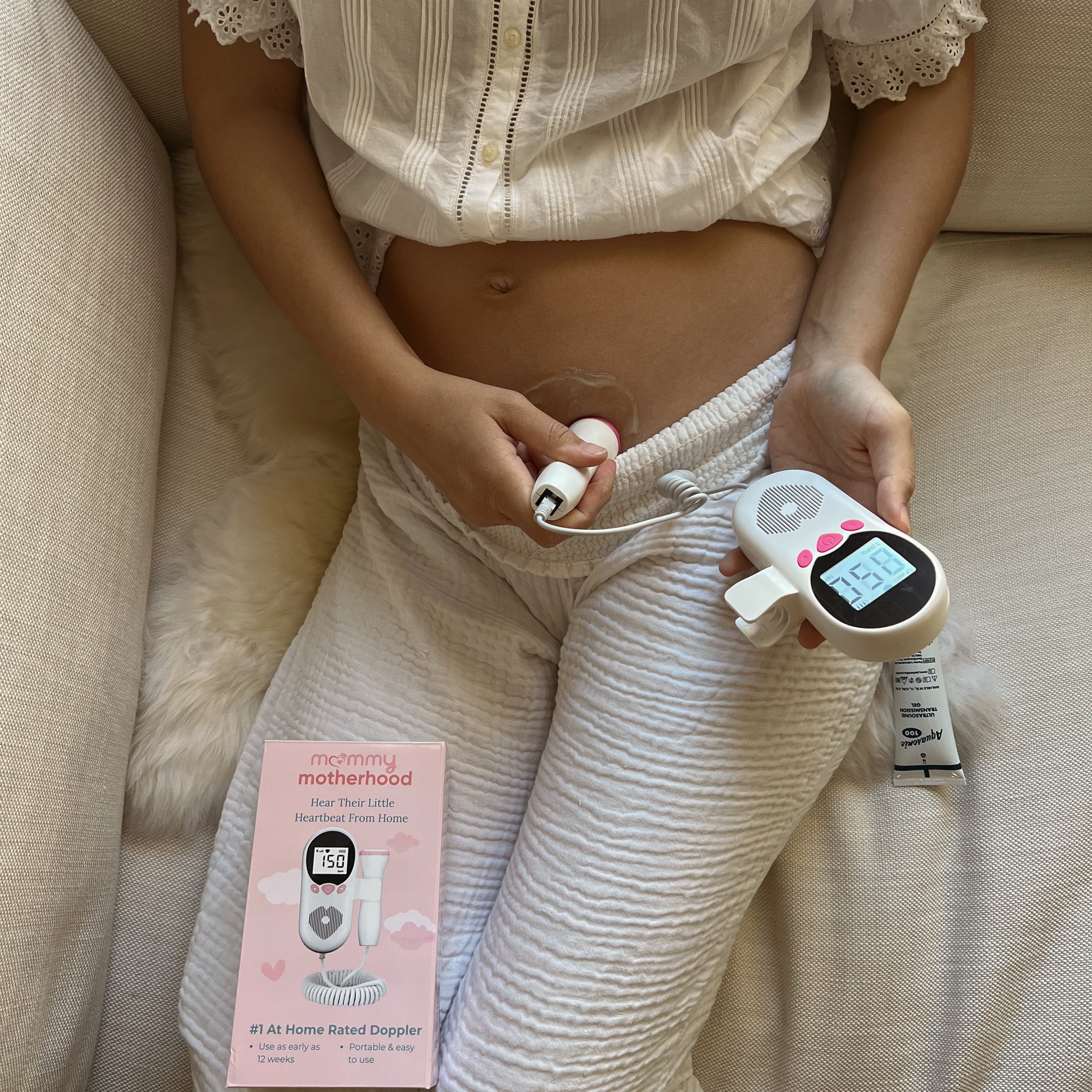
Monitoring the heartbeat of a developing baby is a crucial aspect of prenatal care. It provides peace of mind to expectant parents and helps healthcare providers assess the fetus’s health and development. One of the most accessible ways for parents to listen to their baby’s heartbeat from the comfort of their home is by using a Doppler. This device has become increasingly popular, enabling parents to connect with their unborn child and monitor its wellbeing. Understanding the benefits, effectiveness, and proper usage of a baby heartbeat Doppler can empower parents throughout the pregnancy journey.
Understanding the Baby Heartbeat Doppler
The Baby Heartbeat Doppler is a handheld ultrasound device designed specifically for expectant parents to hear and monitor their baby”?s heartbeat. This device uses sound waves to detect the fetal heartbeat, making it a reliable tool for those moments when reassurance is needed. By transmitting sound waves through the mother’s abdomen, the Doppler can pick up the baby’s heartbeat and play it back through the device’s speakers or headphones.
Benefits of Using a Baby Heartbeat Doppler
There are several advantages to using a Baby Heartbeat Doppler, including:
- Emotional Reassurance: Listening to the baby’s heartbeat can provide immense emotional comfort and reassurance for parents, especially during the early stages of pregnancy when fetal movement is not yet detectable.
- Bonding Experience: Hearing the heartbeat can enhance the bonding experience between parents and their unborn child, fostering a stronger emotional connection.
- Early Detection of Anomalies: Regular monitoring can help in the early detection of potential issues, prompting timely consultations with healthcare providers.
How to Use a Baby Heartbeat Doppler
To maximize the benefits of a Baby Heartbeat Doppler, it is important to use it correctly. Here are some steps to follow:
- Ensure the device is fully charged or has fresh batteries for uninterrupted use.
- Apply a generous amount of ultrasound gel on the mother”?s abdomen to facilitate sound wave transmission.
- Gently move the Doppler across the abdomen, starting from the lower region, until the heartbeat is detected. Be patient, as the baby”?s position may vary.
- Once the heartbeat is found, hold the Doppler steady to listen clearly.
- Follow the manufacturer’s instructions and consult a healthcare provider if there are any doubts regarding the device’s usage.
When to Use a Baby Heartbeat Doppler
While the Baby Heartbeat Doppler is a useful tool, it is essential to use it appropriately. Typically, fetal heartbeats can be detected by a Doppler from around the 10th to 12th week of pregnancy. However, it is recommended to confirm with a healthcare provider when it is best to start using the device, as individual circumstances may vary.
Considerations and Precautions
Although the Baby Heartbeat Doppler is a safe device, it is important to keep several considerations in mind:
- Limit Usage: The device should not replace regular prenatal visits. Over-reliance on the Doppler can lead to false reassurance or unnecessary anxiety.
- Consult Healthcare Providers: Any concerns regarding fetal health should always be discussed with a healthcare provider, rather than relying solely on the Doppler for assessment.
- Proper Training: Familiarize yourself with the proper usage of the Doppler to avoid confusion or misinterpretation of sounds.
Conclusion
The Baby Heartbeat Doppler offers an invaluable way for parents to engage with their pregnancy and monitor their baby’s health. By providing a sense of reassurance and facilitating early detection of potential issues, this device plays a crucial role in modern prenatal care. However, it is important to use it wisely and in conjunction with regular medical consultations to ensure the health and well-being of both mother and baby.