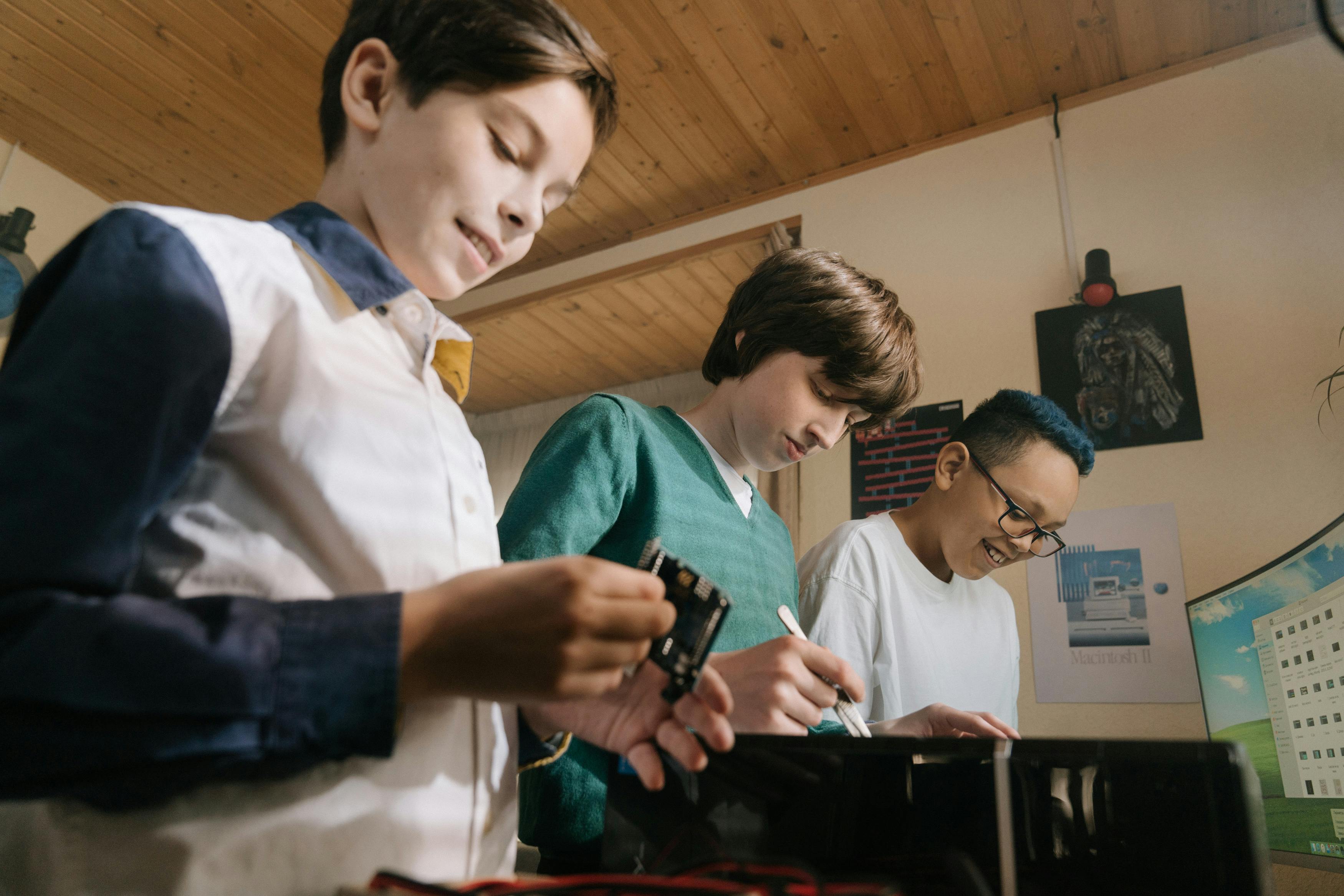
In today’s rapidly evolving educational landscape, traditional methods of instruction are increasingly being augmented by more dynamic and immersive approaches. One such method gaining prominence is experiential education, which emphasizes learning through direct experience. This approach fosters critical thinking, enhances problem-solving skills, and prepares students for real-world challenges. By integrating practical experiences with academic learning, experiential high school education is reshaping the way students engage with their studies, promoting a deeper understanding and retention of knowledge.
The Core Principles of Experiential Education
Experiential education is grounded in the belief that students learn more effectively when they actively participate in the learning process. This educational model is built upon several key principles that guide its implementation:
- Active Engagement: Students are encouraged to take an active role in their learning journey, making the educational process more interactive and engaging.
- Real-World Application: Learning is connected to real-world scenarios, allowing students to apply theoretical knowledge in practical settings.
- Reflective Practice: Reflection is an integral part of the learning process, helping students to understand and internalize their experiences.
- Personalized Learning: Education is tailored to meet the unique needs and interests of each student, fostering a more personalized learning experience.
Innovative Strategies in Experiential High School Education
High schools are increasingly adopting innovative strategies to implement experiential learning effectively. These strategies are designed to enhance student engagement and learning outcomes:
Project-Based Learning
Project-based learning is a cornerstone of experiential education. Students undertake extensive projects that require them to research, collaborate, and present their findings. This approach not only cultivates critical thinking but also enhances communication and teamwork skills.
Field Experiences and Internships
Offering students opportunities to engage in field experiences and internships is another vital component of a Progressive Education Program. These experiences expose students to the professional world, allowing them to gain firsthand insights and practical skills that are invaluable for their future careers.
Service Learning
Service learning integrates community service with academic coursework, providing students with a platform to contribute positively to society while learning. This approach helps students develop a sense of social responsibility and civic engagement.
The Role of Technology in Experiential Learning
Technology plays a pivotal role in modernizing experiential learning programs. It facilitates access to a vast array of resources and tools that enrich the learning experience:
- Virtual Simulations: These provide students with realistic, interactive environments where they can experiment and learn from simulated experiences.
- Online Collaborative Platforms: These tools enable students to work together on projects and assignments, regardless of their physical location.
- Digital Portfolios: Students can document and share their learning experiences, showcasing their skills and achievements to potential colleges and employers.
The Impact of Experiential Education on Student Outcomes
Research indicates that students who participate in experiential education programs often demonstrate improved academic performance and greater engagement. These programs foster a love for learning and a curiosity that drives students to explore subjects in depth. Furthermore, such an approach equips students with the skills needed to thrive in a rapidly changing world, including adaptability, resilience, and innovation.
The adoption of progressive education methodologies in high schools is not just a trend, but a necessary evolution to meet the demands of the 21st century. By embracing innovative approaches to experiential learning, educational institutions are preparing students to navigate the complexities of the modern world with confidence and competence.