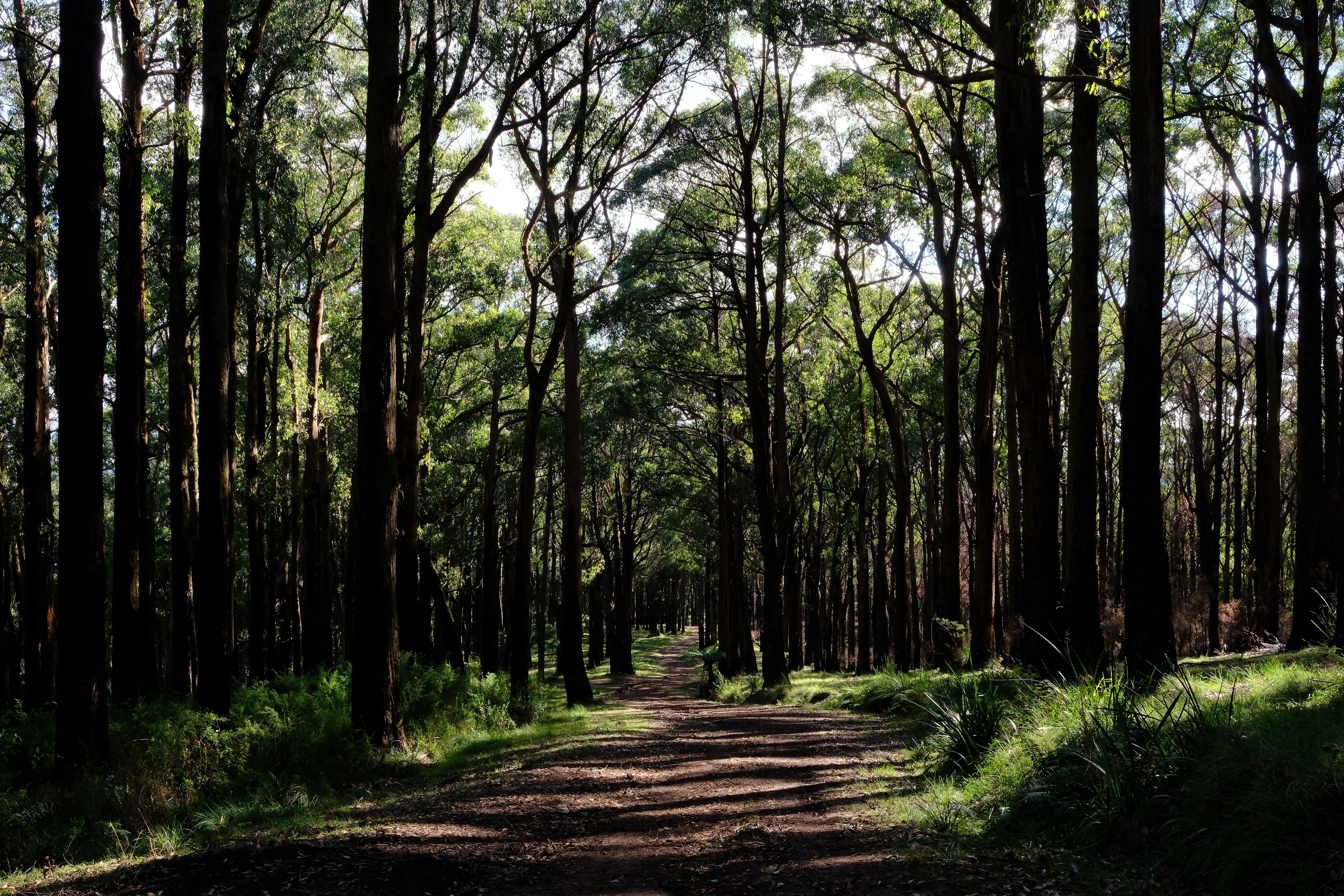
Wollondilly Shire, an area characterized by its beautiful landscapes and proximity to bushland, is a locale that requires significant attention when it comes to bushfire safety. As Australia experiences the increasing impacts of climate change, understanding the importance of a Bushfire Attack Level (BAL) assessment has never been more critical. This assessment plays a crucial role in protecting properties and lives from the devastating effects of bushfires by evaluating the potential threat posed by bushfires to a specific location.
What is a BAL Assessment?
A BAL assessment is a standardized method to quantify the severity of a building’s potential exposure to ember attack, radiant heat, and direct flame contact during a bushfire. It is a vital part of the planning and building process in bushfire-prone areas, serving as a guideline to determine the construction standards required for a home or building.
Components of a BAL Assessment
When conducting a BAL assessment in Wollondilly Shire, several factors are taken into consideration:
- Fire Danger Index (FDI): A numerical rating that reflects the severity of fire weather during the peak fire season.
- Vegetation Type: Different types of vegetation have varying levels of combustibility and heat output.
- Distance to Vegetation: The distance from the building to the vegetation influences the level of radiant heat exposure.
- Slope of the Land: Fires move faster uphill, increasing the potential for higher intensity exposure.
Importance of BAL Assessments in Wollondilly Shire
Given its geographical location and the nature of its ecosystem, Wollondilly Shire is particularly vulnerable to bushfires. A bushfire assessment report in Wollondilly Shire helps in several ways:
- Improved Safety: By understanding the BAL rating, residents can implement appropriate construction methods and materials to enhance safety.
- Informed Decision Making: Provides valuable information that assists in planning and zoning decisions, helping authorities and homeowners to make informed choices about developments and land use.
- Insurance Considerations: Helps in determining insurance premiums and ensuring that properties are adequately covered for bushfire risks.
Steps to Conduct a BAL Assessment
Conducting a BAL assessment involves several critical steps, each contributing to a comprehensive understanding of bushfire risks:
- Site Visit: A thorough examination of the property and surrounding areas to evaluate the vegetation and landscape.
- Data Collection: Gathering of relevant data such as maps, vegetation types, and slope measurements.
- Risk Calculation: Using the collected data to calculate the BAL rating based on standardized formulas and guidelines.
- Report Generation: Creating a detailed report that outlines the assessment’s findings and offers recommendations for building and safety improvements.
Implementing BAL Assessment Recommendations
Once a BAL assessment is completed, implementing the recommended actions is crucial. These may include:
- Building Upgrades: Retrofitting existing structures with fire-resistant materials such as metal or specially treated timber.
- Landscaping Adjustments: Modifying the landscape to include fire-retardant plants and maintaining a defensible space around the property.
- Community Engagement: Participating in community bushfire preparedness programs to stay informed and prepared.
Conclusion
Understanding and acting upon a BAL assessment is essential for residents and builders in Wollondilly Shire. By prioritizing these assessments, communities can enhance their resilience against bushfires, safeguarding lives and properties. For further details on conducting a BAL assessment in Wollondilly Shire, professional resources and expertise are readily available to guide through the process.