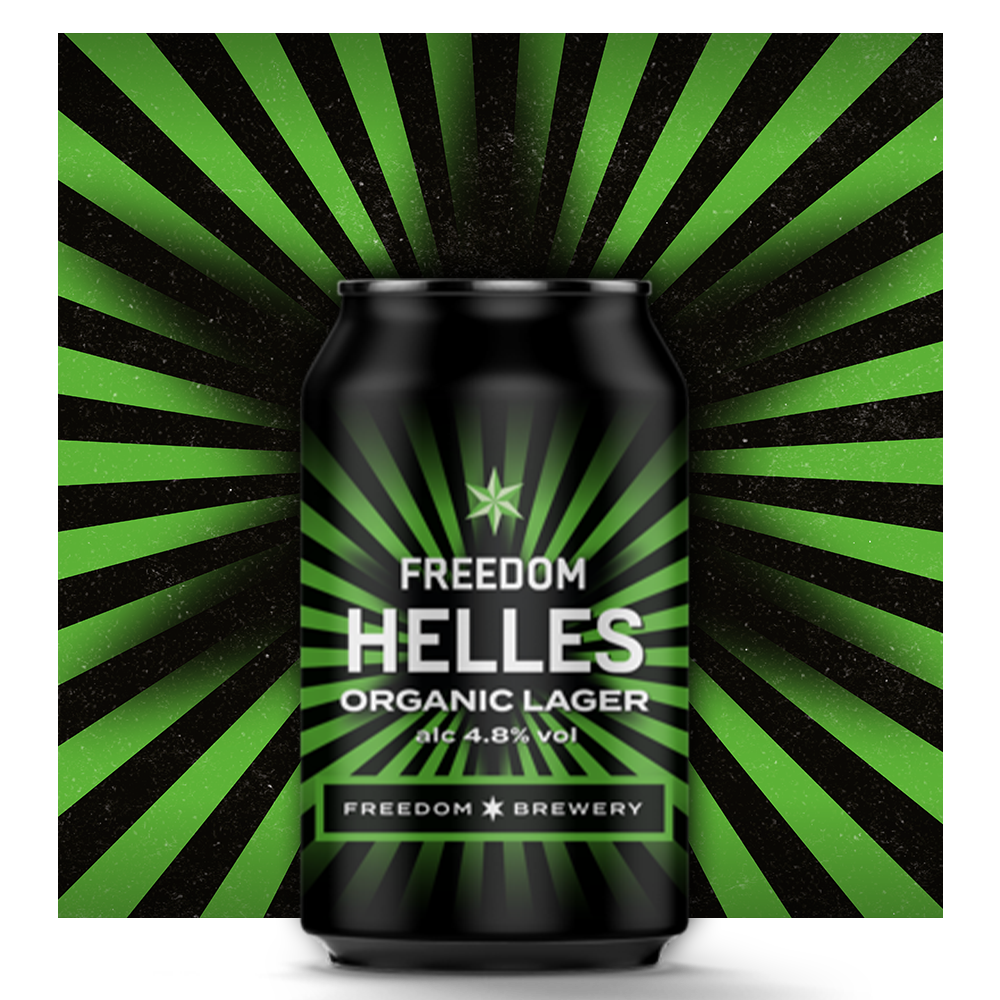
In the world of beer, few varieties command the respect and admiration of enthusiasts quite like the Helles Lager. Originating in Germany, this iconic brew has seen a resurgence in popularity worldwide, thanks to its perfectly balanced flavor profile and refreshing characteristics. With a rich history rooted in the beer gardens of Bavaria, Helles Lager has become a staple for both casual sippers and connoisseurs alike. This guide delves into what makes Helles Lager so special, exploring its history, brewing process, and the reasons behind its rising prominence in the craft beer scene.
The Origin of Helles Lager
Helles Lager, traditionally brewed in Bavaria, first appeared in the late 19th century. It was developed as a response to the increasingly popular pale ales of England and the Czech Pilsner. The term “Helles” translates to “bright” or “pale” in German, reflecting the beer?s light golden color. Bavarian brewers perfected this lager to offer a beer that was less hoppy than a Pilsner but still flavorful and satisfying.
Characteristics of a Classic Helles Lager
A well-crafted Helles Lager is defined by its:
- Mild, malty flavor with a touch of sweetness.
- Low bitterness compared to other lagers.
- Medium body that makes it both refreshing and satisfying.
- Brilliant pale gold appearance with excellent clarity.
- Subtle aroma with hints of floral and spice notes.
These characteristics make the Helles Lager an ideal choice for those seeking a well-rounded, approachable beer that pairs well with a variety of foods.
The Brewing Process
Brewing Helles Lager involves a meticulous process to ensure its signature flavor and quality. Key steps include:
Malt Selection
Brewers use high-quality Pilsner malt as the primary grain, providing the beer?s distinctive malty backbone. The choice of malt is crucial to achieving the desired sweetness and color.
Hops
Traditional German hops, such as Hallertau or Tettnang, are used sparingly to impart a gentle bitterness and delicate aroma. The restrained use of hops distinguishes Helles Lager from more hop-forward beers.
Fermentation
Like all lagers, Helles undergoes a cool fermentation process. This extended fermentation period allows the beer to develop its clean and crisp flavor profile.
The Growing Popularity of Helles Lager
In recent years, Helles Lager has seen a surge in popularity, not only in Germany but across the globe. Several factors contribute to this trend:
- The craft beer movement’s emphasis on quality and tradition has spotlighted classic styles like Helles Lager.
- Its balanced flavor profile appeals to a broad audience, from seasoned beer enthusiasts to newcomers.
- Food pairings: Its subtle flavors complement a wide range of cuisines, making it a versatile option for dining experiences.
The resurgence of beer gardens and the cultural appreciation for traditional brewing methods have also played a role in the renewed interest in Helles Lager.
Conclusion
As the beer landscape continues to evolve, the timeless appeal of Helles Lager remains steadfast. Its perfect balance of flavor, aroma, and appearance ensures its place among the most cherished beer styles. Whether enjoyed in a bustling beer garden or a quiet evening at home, Helles Lager offers a taste of Bavaria that transcends borders and generations.
Leave a Reply